


Stretch And Shrink Film Market Size 2024-2028
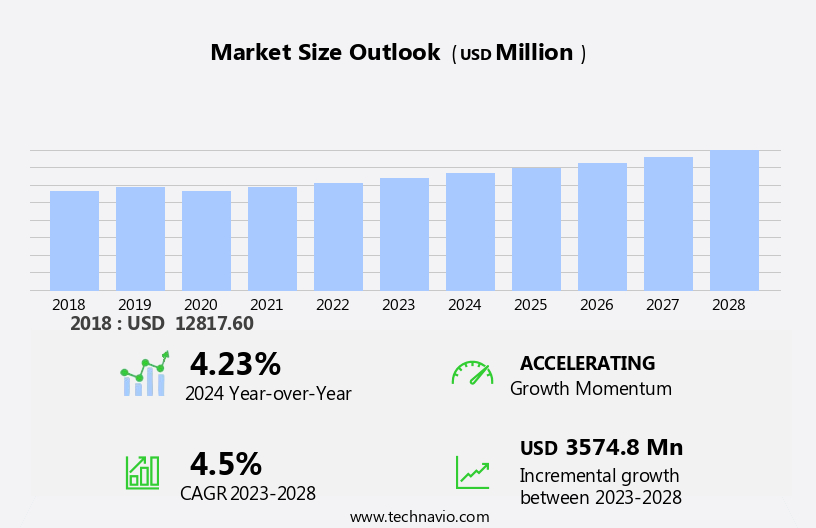
The stretch and shrink film market size is forecast to increase by USD 3.57 billion at a CAGR of 4.5% between 2023 and 2028.
- The market is experiencing significant growth, driven primarily by the expanding retail sector. This industry segment is witnessing a rise in demand due to the increasing preference for automated packaging solutions and the need for extended shelf life for perishable goods. Another key trend influencing market expansion is the rising adoption of bioplastics. As environmental concerns gain prominence, there is a growing demand for eco-friendly packaging solutions, and biodegradable stretch and shrink films are gaining traction. However, market growth is not without challenges. The volatility in raw material prices, particularly for polyethylene and polypropylene, poses a significant threat to market stability.
- Companies in this space must navigate these price fluctuations and explore alternative sourcing strategies to maintain profitability. To capitalize on market opportunities and navigate challenges effectively, stakeholders should focus on innovation, sustainability, and cost optimization. By investing in research and development to create differentiated products and processes, companies can gain a competitive edge. Additionally, strategic partnerships and collaborations can help mitigate the impact of raw material price volatility and expand market reach. Overall, the market presents significant growth opportunities for companies that can adapt to evolving consumer preferences and market dynamics.
What will be the Size of the Stretch And Shrink Film Market during the forecast period?
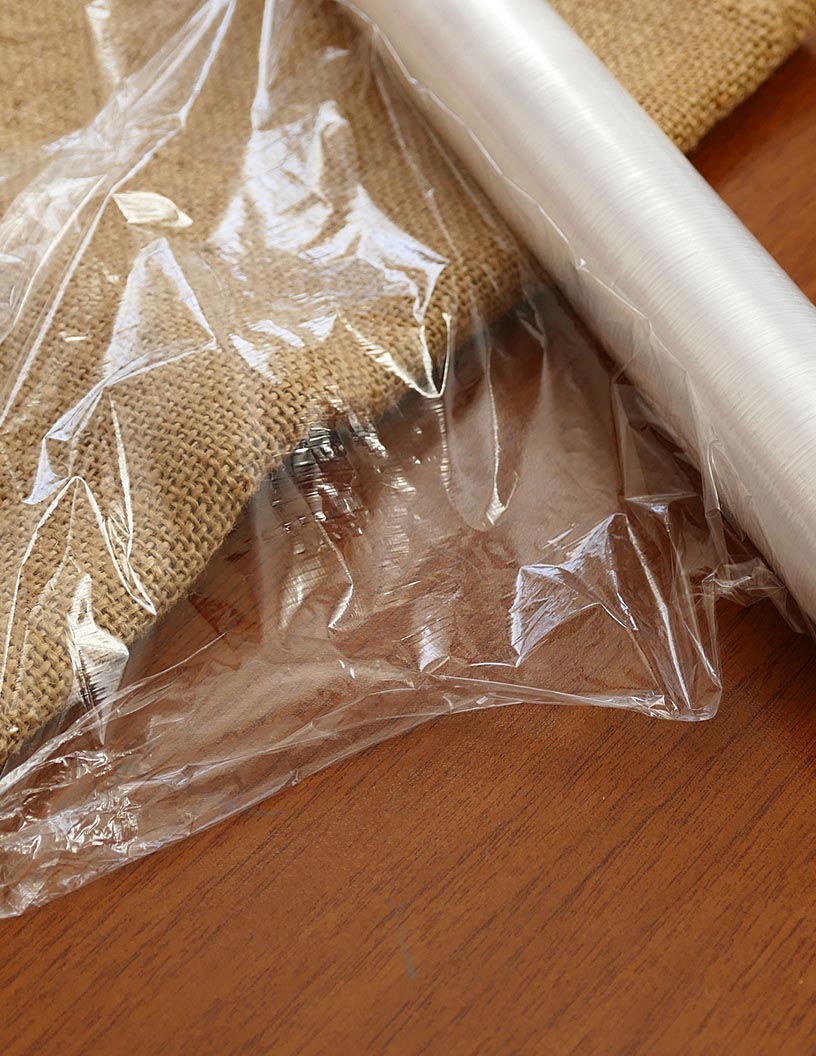
- The market encompasses the production and distribution of films, including stretch films, shrink films, and other plastic films, utilized extensively in various packaging applications. These films offer advantages such as improved shelf-life for food products, impact resistance, and leak prevention. The industrial packaging sector, particularly in the transportation and cargo industries, heavily relies on these films for securing and protecting goods during transit. Lightweight materials, a critical consideration for sustainability and cost efficiency, are increasingly preferred in this market. The food & beverage sector, as well as the personal care industry, including body care, skincare, and cosmetics, are significant contributors to the market's growth.
- Polyethylene, polypropylene, and PVC are common materials used in the production of these films. Hoods and other value-added features further enhance the functionality and versatility of stretch and shrink films.
How is the Stretch and Shrink Film Industry segmented?
The industry research report provides comprehensive data (region-wise segment analysis), with forecasts and estimates in "USD million" for the period 2024-2028, as well as historical data from 2018-2022 for the following segments.
- Application
- Food and beverages
- Industrial or bulk
- Consumer goods
- Pharmaceuticals
- Type
- Stretch film
- Shrink film
- Geography
- APAC
- China
- India
- Japan
- North America
- US
- Europe
- Germany
- South America
- Middle East and Africa
- APAC
By Application Insights
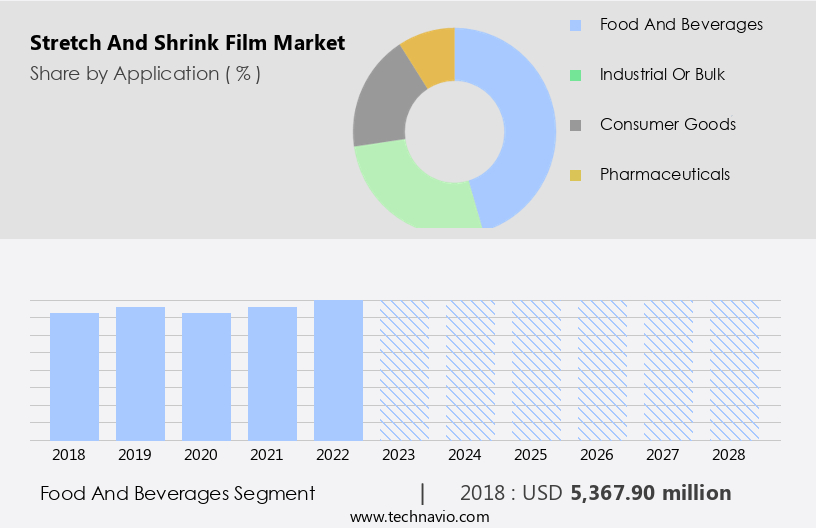
The food and beverages segment is estimated to witness significant growth during the forecast period. The market is primarily driven by the food and beverage sector, which accounts for a significant market share. The increasing demand for packaged food and beverages, particularly in the ready-to-eat meals, frozen food, and canned products segments, is fueling the growth of this market. Stretch and shrink films offer excellent product presentation, protect against leakers, and ensure package integrity. They are suitable for various food products such as meat, cheese, poultry, and fruits, as well as beverages like carbonated soft drinks. Shrink films, in particular, are preferred due to their high impact and puncture resistance, making them ideal for heavy loads.
Moreover, the use of eco-friendly materials, advanced technologies, and sustainable packaging practices is gaining momentum in the market, with companies focusing on reducing waste and improving transportation efficiency. The pharmaceutical and consumer goods industries also utilize stretch and shrink films for form-fill-seal applications, sleeves, collation wrap, pre-made pouches, and labeling. The global market is expected to grow significantly during the forecast period, driven by the increasing demand for lightweight materials and the need for extended shelf life and improved visual appeal in various industries.
Get a glance at the market report of share of various segments Request Free Sample
The Food and beverages segment was valued at USD 5.37 billion in 2018 and showed a gradual increase during the forecast period.
Regional Analysis
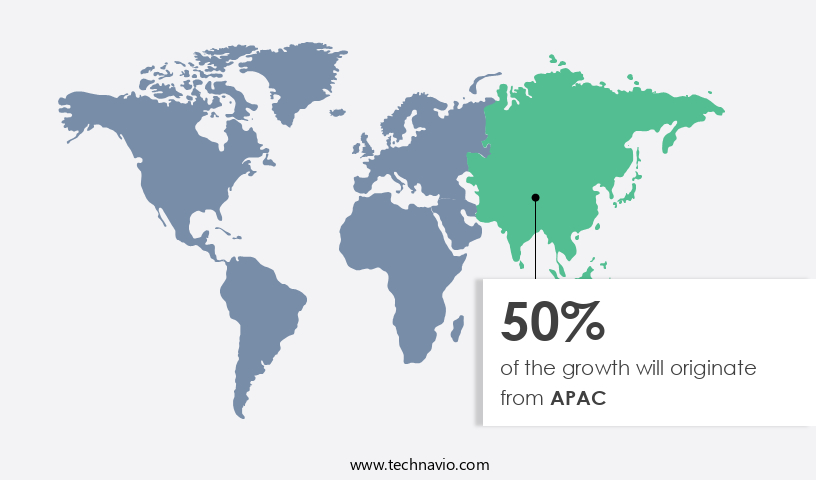
APAC is estimated to contribute 50% to the growth of the global market during the forecast period. Technavio's analysts have elaborately explained the regional trends and drivers that shape the market during the forecast period.
For more insights on the market size of various regions, Request Free Sample
The Asia Pacific (APAC) region dominates the market due to the increasing industrialization and growing demand from industries such as food and beverages and consumer goods. APAC's market size is driven by the production of end-products for both domestic consumption and exports. Key contributing countries include China, Japan, India, South Korea, Australia, and Indonesia. The food and beverage sector is a significant consumer of stretch and shrink films due to their ability to extend shelf life and enhance product presentation. In the consumer goods industry, these films are used for form-fill-seal applications, sleeves, collation wrap, and pre-made pouches.
The market's growth is further fueled by advanced technologies, such as polyvinylchloride-based films, stretch hoods, sleeves, and labels, which offer improved product protection, puncture resistance, and impact resistance. The market's shift towards eco-friendly materials, such as LDPE, LLDPE, and PVC, is also contributing to its growth. The market's prospects are promising, with increasing demand from developing economies, the retail network, industrial goods, and the pharmaceutical sector. Additionally, waste reduction, ease of transportation, and sustainability concerns are driving the market's growth in lightweight materials and circular economy models.
Market Dynamics
Our researchers analyzed the data with 2023 as the base year, along with the key drivers, trends, and challenges. A holistic analysis of drivers will help companies refine their marketing strategies to gain a competitive advantage.
What are the key market drivers leading to the rise in the adoption of Stretch and Shrink Film Industry?
- Growth in the retail sector is the key driver of the market. The market is experiencing growth due to the expanding retail industry. Consumers seek convenience and time-saving solutions in their busy lives, leading them to large organized retail stores. These retail outlets offer a wide array of branded and packaged products, from household items to personal care, under one roof. The increasing brand consciousness among consumers adds value to organized retailers, enabling them to provide comprehensive product information. The high penetration of organized retail allows consumers to compare brands based on quality, price, and design, thereby fueling market expansion.
- Moreover, the LDPE resin segment dominates the market due to its versatility and cost-effectiveness. Gauges and sizes vary depending on the specific application, with thin films used for food packaging and thicker films for industrial applications. Polyvinylchloride-based films are also used due to their excellent clarity and barrier properties. Adhesive labels and sleeves are additional applications for stretch and shrink films. The use of advanced technologies and a wide range of applications, including form-fill-seal, stretch hoods, collation wrap, and pharmaceutical packaging, makes stretch and shrink films an essential component of the packaging industry.
What are the market trends shaping the Stretch And Shrink Film Industry?
- Increasing adoption of bioplastics is the upcoming market trend. The market for stretch and shrink films is experiencing significant growth due to the increasing demand for eco-friendly and biodegradable plastic solutions. Biopolymers, derived from renewable resources such as corn, wheat, and sugarcane, are gaining popularity as sustainable alternatives to traditional plastics. These biodegradable plastic products are increasingly being used in industrial and consumer goods applications, particularly in the packaging industry. The use of bio-based plastics, which are manufactured using biodegradable base materials, is further expanding the application scope of stretch and shrink films.
- The growing emphasis on waste management and sustainability is driving the growth of the bio-based plastic industry. Emerging markets are expected to witness an increase in the use of bio-based plastics in various applications due to the availability of renewable raw materials.
What challenges does the Stretch and Shrink Film Industry face during its growth?
- Volatility in raw material prices is a key challenge affecting the industry's growth. The market is influenced by the volatile prices of raw materials, primarily derived from crude oil. These materials, such as LLDPE, polyvinyl chloride, LDPE, HDPE, polypropylene, polyolefin, binders, and additives, are essential in the production of stretch and shrink films. Due to their petroleum-based origins, their prices are subject to significant fluctuations, impacting the market's growth. Furthermore, the increasing demand for these films in emerging economies adds to the market's complexity.
- However, in industries such as beverage and packaged foods, these films are widely used for their ability to reduce waste, facilitate ease of transportation, and enhance product appeal. Companies play a significant role in the industrial goods sector by providing innovative stretch and shrink film solutions. Regulations regarding plastic usage continue to evolve, impacting the industrial packaging industry. Confectioneries and carbonated soft drinks are other sectors that extensively utilize stretch and shrink films for product protection and presentation.
Exclusive Customer Landscape
The market forecasting report includes the adoption lifecycle of the market, covering the innovator's stage to the laggard's stage. It focuses on adoption rates in different regions based on penetration. Furthermore, the market report also includes key purchase criteria and drivers of price sensitivity to help companies evaluate and develop their market growth analysis strategies.
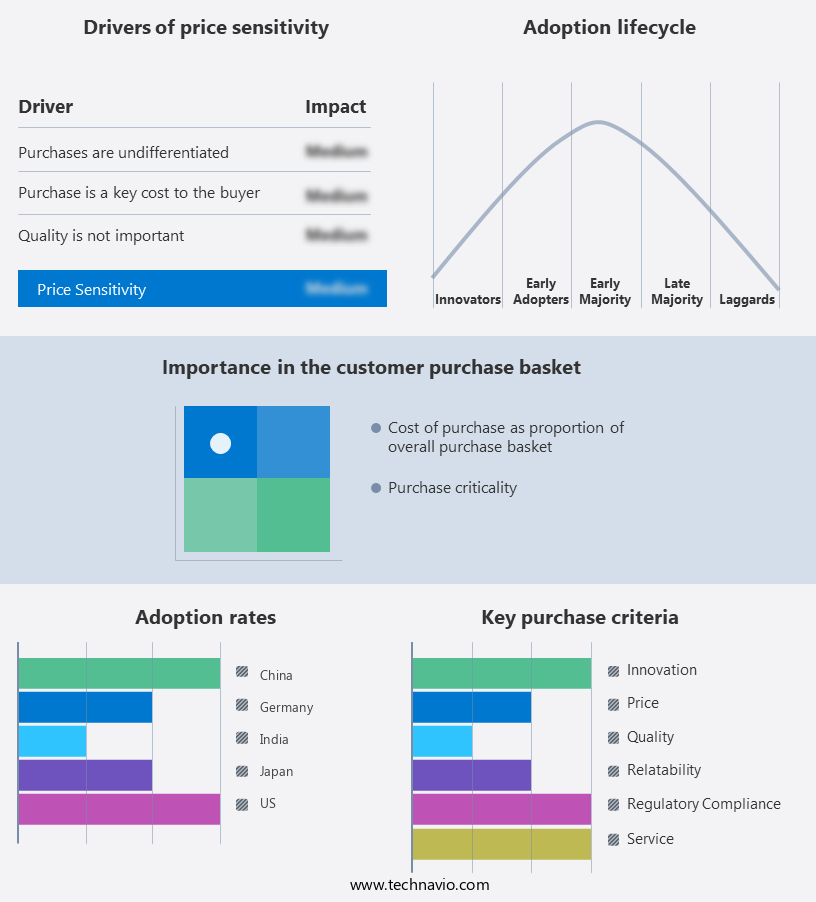
Customer Landscape
Key Companies & Market Insights
Companies are implementing various strategies, such as strategic alliances, market forecast, partnerships, mergers and acquisitions, geographical expansion, and product/service launches, to enhance their presence in the industry.
The industry research and growth report includes detailed analyses of the competitive landscape of the market and information about key companies, including:
- Allied Propack Pvt. Ltd.
- American Eagle Packaging
- Anchor Packaging LLC
- Baoding Enshi Packaging Co. Ltd.
- Barbier Group
- Berry Global Inc.
- Bollore SE
- C.I. TAKIRON Corp.
- Coveris Management GmbH
- Dow Chemical Co.
- Eurofilms Extrusion Ltd.
- Exxon Mobil Corp.
- Fuji Seal International Inc.
- HIPAC SpA
- Inteplast Group
- Intertape Polymer Group Inc.
- IPS Packaging and Automation
- ISOFlex Packaging Corp.
- Paragon Films Inc.
- Rollsion Product Inc.
- SmartShield Packaging
Qualitative and quantitative analysis of companies has been conducted to help clients understand the wider business environment as well as the strengths and weaknesses of key industry players. Data is qualitatively analyzed to categorize companies as pure play, category-focused, industry-focused, and diversified; it is quantitatively analyzed to categorize companies as dominant, leading, strong, tentative, and weak.
Research Analyst Overview
The market encompasses a diverse range of plastic films utilized in various industries for packaging applications. These films offer several advantages, including extended shelf life for food products, improved product presentation, and enhanced protection against leakers, impact, and puncture. Food products, particularly those in the frozen food industry, benefit significantly from the use of stretch and shrink films. The films' ability to maintain package integrity at freezing temperatures ensures the preservation of food quality and freshness. In addition, the films' eco-friendly materials, such as LDPE resin, align with the growing trend towards sustainability. Advanced technologies continue to drive innovation in the market.
For instance, PVC-based films offer superior clarity and optical properties, while polyethylene and polypropylene films provide excellent resistance to oxygen transmission, crucial for food packaging. Stretch hoods and sleeves and labels are increasingly popular choices for consumer goods, as they offer ease of transportation and waste reduction. The industrial goods sector, including the pharmaceutical industry, also relies on stretch and shrink films for their lightweight nature and ability to protect sensitive products from exposure to external elements. Form-fill-seal applications and collation wrap are common uses in this sector. The beverage industry, particularly carbonated soft drinks, utilizes stretch and shrink films for their ability to adapt to various bottle shapes and sizes.
Furthermore, pre-made pouches are another application gaining popularity, especially in the e-commerce sector. The market dynamics of stretch and shrink films are influenced by several factors, including raw material costs, packaging regulations, and the circular economy models that prioritize recycling technologies and sustainable packaging practices. The use of biodegradable materials and recycling challenges are key considerations for manufacturers and consumers alike. The market is a significant revenue generator, with applications spanning various industries, including food & beverage, consumer goods, and pharmaceuticals. The films' versatility, durability, and ability to enhance product visual appeal make them an essential component of manufacturing activities in urbanized societies.
|
Market Scope |
|
|
Report Coverage |
Details |
|
Page number |
168 |
|
Base year |
2023 |
|
Historic period |
2018-2022 |
|
Forecast period |
2024-2028 |
|
Growth momentum & CAGR |
Accelerate at a CAGR of 4.5% |
|
Market growth 2024-2028 |
USD 3.57 billion |
|
Market structure |
Fragmented |
|
YoY growth 2023-2024(%) |
4.23 |
|
Key countries |
US, China, India, Germany, and Japan |
|
Competitive landscape |
Leading Companies, Market Positioning of Companies, Competitive Strategies, and Industry Risks |
What are the Key Data Covered in this Stretch And Shrink Film Market Research and Growth Report?
- CAGR of the Stretch And Shrink Film industry during the forecast period
- Detailed information on factors that will drive the market growth and forecasting between 2024 and 2028
- Precise estimation of the size of the market and its contribution of the industry in focus to the parent market
- Accurate predictions about upcoming growth and trends and changes in consumer behaviour
- Growth of the market across APAC, North America, Europe, South America, and Middle East and Africa
- Thorough analysis of the market's competitive landscape and detailed information about companies
- Comprehensive analysis of factors that will challenge the stretch and shrink film market growth of industry companies
We can help! Our analysts can customize this stretch and shrink film market research report to meet your requirements.
 RIA -
RIA - 
