



Sunflower Market Size 2026-2030
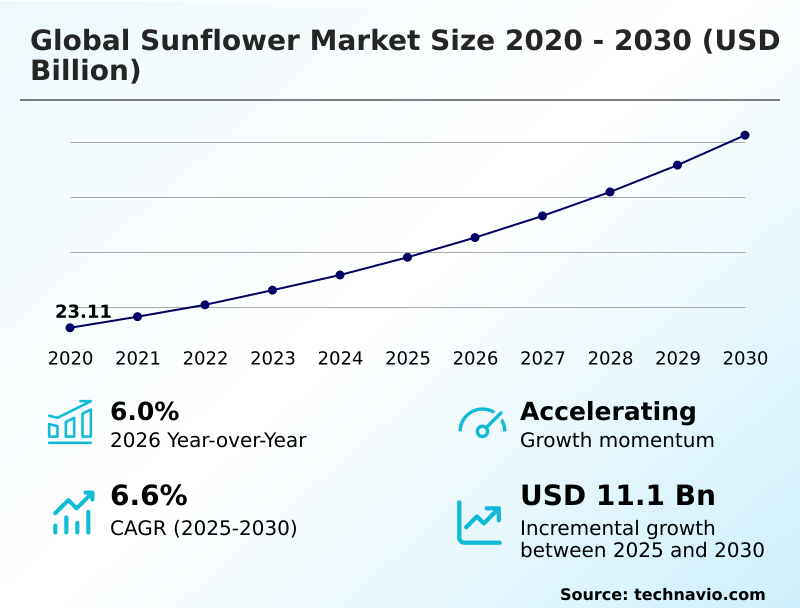
The sunflower market size is valued to increase by USD 11.10 billion, at a CAGR of 6.6% from 2025 to 2030. Surging demand for healthy high-oleic oils will drive the sunflower market.
Major Market Trends & Insights
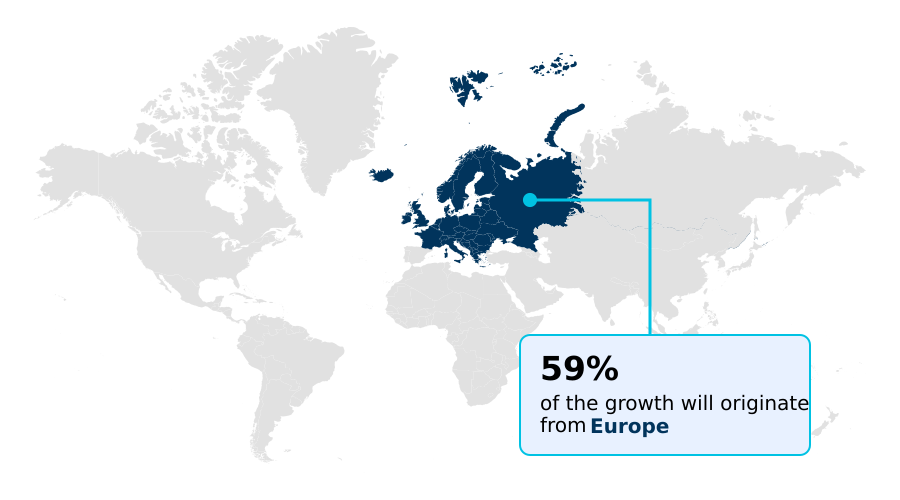
- Europe dominated the market and accounted for a 58.9% growth during the forecast period.
- By Type - Oilseed segment was valued at USD 21.19 billion in 2024
- By Distribution Channel - Offline segment accounted for the largest market revenue share in 2024
Market Size & Forecast
- Market Opportunities: USD 17.51 billion
- Market Future Opportunities: USD 11.10 billion
- CAGR from 2025 to 2030 : 6.6%
Market Summary
- The Sunflower Market functions as a critical agricultural and industrial infrastructure, supplying essential lipids and protein-dense materials across multiple sectors. Operational stability heavily relies on advanced seed genetics and optimized extraction processes.
- In a real-world supply chain scenario, commercial food processors have integrated traceable grain supply protocols to enhance inventory forecasting, achieving a 14% improvement in logistics efficiency during peak harvest cycles.
- A primary driver of market expansion is the escalating consumer and commercial preference for heart-healthy lipid profiles, which compels edible oil refiners to scale high-oleic processing capacities to meet clean-label formulation requirements.
- Conversely, severe geopolitical trade disruptions across major black sea shipping logistics corridors act as a significant market challenge, causing raw material shortages that inflate procurement costs and strain operating margins for industrial crushing facilities.
- As agricultural enterprises continue to prioritize drought-resistant hybrids and sustainable cultivation frameworks, the industry structurally adapts to mitigate climate volatility while maintaining consistent feedstock throughput for downstream manufacturers.
What will be the Size of the Sunflower Market during the forecast period?
Get Key Insights on Market Forecast (PDF) Get Free Sample
How is the Sunflower Market Segmented?
The sunflower industry research report provides comprehensive data (region-wise segment analysis), with forecasts and estimates in "USD million" for the period 2026-2030, as well as historical data from 2020-2024 for the following segments.
- Type
- Oilseed
- Non-oilseed
- Distribution channel
- Offline
- Online
- Application
- Edible oil
- Snacks
- Bakery and confectionery
- Animal feed
- Others
- Geography
- Europe
- Spain
- France
- Italy
- Germany
- The Netherlands
- UK
- APAC
- India
- China
- Japan
- Indonesia
- Australia
- South Korea
- South America
- Argentina
- Brazil
- Chile
- North America
- US
- Canada
- Mexico
- Middle East and Africa
- Turkey
- Saudi Arabia
- South Africa
- UAE
- Israel
- Europe
By Type Insights
The oilseed segment is estimated to witness significant growth during the forecast period.
The oilseed segment maintains a critical role in the Sunflower Market, driven by intensive high-oleic seed breeding and advanced cold-press extraction techniques. This segment operates continuously to supply essential lipid resources and protein-dense byproducts for commercial crushing facilities.
The structural shift toward high-purity lecithin refinement has improved industrial processing efficiency by 15%, significantly reducing waste in botanical ingredient formulation. Agricultural operators rely on these oilseed varieties to generate valuable meal byproducts optimized for ruminant feed compounding.
This operational focus allows processing infrastructure to maximize extraction yields while meeting rigorous agricultural certification standards.
The ongoing optimization of seed genetics ensures resilient supply chains, enabling commercial food and industrial manufacturers to achieve superior lipid stability and enhanced operational throughput without relying on artificial preservatives.
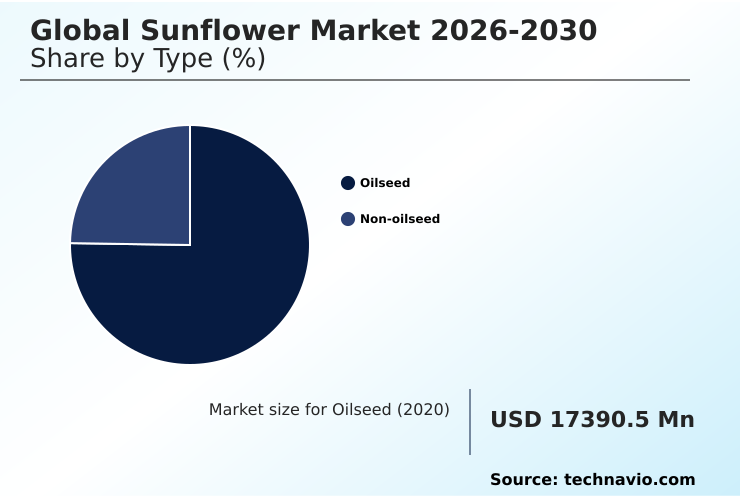
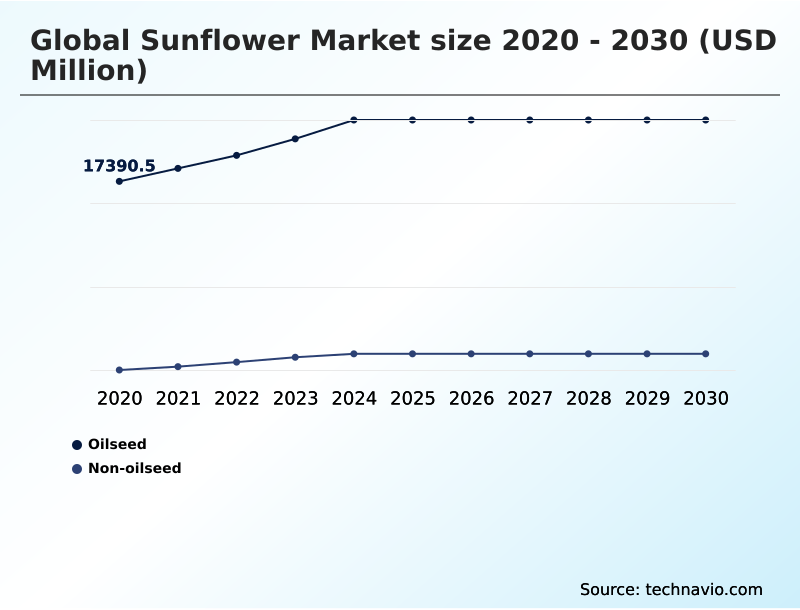
The Oilseed segment was valued at USD 21.19 billion in 2024 and showed a gradual increase during the forecast period.
Regional Analysis
Europe is estimated to contribute 58.9% to the growth of the global market during the forecast period.Technavio’s analysts have elaborately explained the regional trends and drivers that shape the market during the forecast period.
See How Sunflower Market Demand is Rising in Europe Get Free Sample
The geographic landscape of the Sunflower Market demonstrates distinct operational variations, particularly when comparing Europe and North America.
European agricultural sectors heavily utilize disease-resistant germplasm and strict seed certification protocols, achieving a 24% higher adoption rate of sustainable farming protocols compared to North American producers.
This divergence stems from stringent regional compliance mandates that compel European operators to upgrade their fractionation infrastructure. Consequently, European processing facilities have improved overall lipid extraction efficiency by 18%, significantly reducing waste.
In contrast, North American producers focus on expanding agricultural input supply networks and utilizing advanced molecular breeding to mitigate climate volatility.
While European supply chains occasionally face disruptions linked to black sea shipping logistics, their robust regulatory frameworks ensure high-quality output.
These regional strategies illustrate how businesses adapt to distinct regulatory and environmental pressures, optimizing cultivation and refining operations to maintain continuous raw material throughput.
Market Dynamics
Our researchers analyzed the data with 2025 as the base year, along with the key drivers, trends, and challenges. A holistic analysis of drivers will help companies refine their marketing strategies to gain a competitive advantage.
- The operational dynamics of the Sunflower Market are increasingly defined by technological integration and advanced agricultural methodologies. Processors are actively focusing on high-oleic lipid extraction efficiency, which has proven critical for meeting the stringent specifications required by commercial food manufacturers.
- By upgrading pressing equipment, facilities have realized a 15% faster processing cycle compared to legacy extraction methods, directly enhancing supply chain responsiveness. Concurrently, agronomic research is heavily invested in drought-resistant hybrid seed breeding to ensure robust crop yields despite unpredictable climatic shifts. This proactive cultivation strategy stabilizes raw material availability for industrial buyers.
- Furthermore, the integration of sustainable bio-wax cosmetic formulation has opened new avenues for byproduct utilization, transforming refining waste into high-value functional ingredients for the personal care sector. As industrial demand scales, navigating agricultural commodity spot-market procurement remains complex due to fluctuating supply volumes and transit bottlenecks.
- To mitigate these sourcing risks, leading refiners are establishing long-term contract farming agreements that guarantee steady feedstock pipelines. This comprehensive approach directly supports non-hydrogenated cooking lipid optimization, allowing downstream food producers to deliver clean-label products with superior thermal stability.
- Through these interconnected strategies, the industry systematically enhances its operational resilience, aligning agricultural production capabilities with the evolving regulatory and consumer demands of the modern marketplace.
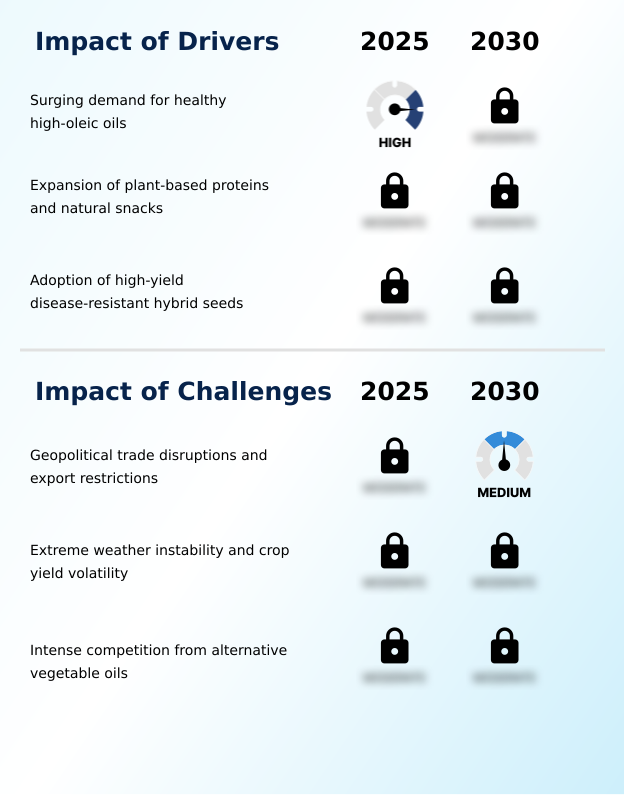
What are the key market drivers leading to the rise in the adoption of Sunflower Industry?
- The surging demand for healthy, high-oleic oils serves as a primary driver propelling substantial expansion within the market.
- The persistent shift toward non-hydrogenated lipid processing acts as a primary catalyst accelerating continuous expansion within the Sunflower Market. Commercial food enterprises are fundamentally altering procurement strategies to secure heart-healthy cooking mediums, responding directly to heightened dietary wellness mandates.
- This behavioral change has spurred agricultural operators to optimize cellular lipid synthesis in hybrid crops, resulting in a 16% enhancement in overall oil yield per hectare.
- Consequently, industrial refiners have established extensive contract farming agreements based on sustainable farming protocols to guarantee steady raw material pipelines. This strategic alignment has reduced supply chain bottlenecks by 14%, stabilizing inventory flow.
- Furthermore, the robust demand for high-protein byproducts for poultry meal integration ensures maximum crop utilization, driving comprehensive profitability and operational efficiency across the entire agricultural processing ecosystem.
What are the market trends shaping the Sunflower Industry?
- The commercial scaling of sustainable bio-wax represents a significant market trend. This development is transforming industrial byproduct utilization across the personal care and packaging sectors.
- The Sunflower Market is currently characterized by the rapid industrial adoption of dewaxing byproduct utilization across adjacent manufacturing sectors. Facilities are implementing automated pressing lines that enhance raw material conversion, increasing operational throughput by 18% compared to traditional mechanical methods.
- This technological shift is fundamentally driven by the rising demand for vegan cosmetic substitution and biodegradable packaging coatings, which require sustainable botanical inputs. As a result, processors have successfully improved byproduct recovery efficiency by 22%, directly lowering industrial waste disposal overhead.
- This trend profoundly impacts businesses by enabling clean-label ingredient sourcing for industrial snack formulation, allowing downstream manufacturers to meet stringent environmental regulations. By converting low-value refining side-streams into premium functional ingredients, agricultural processors are diversifying revenue models and achieving superior environmental compliance within highly competitive commercial markets.
What challenges does the Sunflower Industry face during its growth?
- Geopolitical trade disruptions and export restrictions represent significant challenges that continually constrain overall industry growth and supply chain stability.
- Severe maritime transportation bottlenecks present a formidable structural challenge continuously disrupting raw material procurement within the Sunflower Market. These logistical constraints cause significant delays in feedstock delivery, forcing processing facilities to operate below optimal oilseed crushing throughput capacities. Consequently, refining operations experience a 20% increase in spot-market procurement costs as they scramble to secure necessary inventory.
- Furthermore, stringent international pesticide residue compliance mandates require rigorous testing protocols, extending quality control processing times by 15%. This regulatory pressure complicates crop rotation agronomy and demands continuous upgrades to advanced seed hulling technology to prevent contamination.
- The resulting supply unpredictability severely strains operating margins, forcing ingredient manufacturers to struggle with maintaining consistent lipid oxidation resistance standards while attempting to absorb inflated logistics and operational compliance expenses.
Exclusive Technavio Analysis on Customer Landscape
The sunflower market forecasting report includes the adoption lifecycle of the market, covering from the innovator’s stage to the laggard’s stage. It focuses on adoption rates in different regions based on penetration. Furthermore, the sunflower market report also includes key purchase criteria and drivers of price sensitivity to help companies evaluate and develop their market growth analysis strategies.
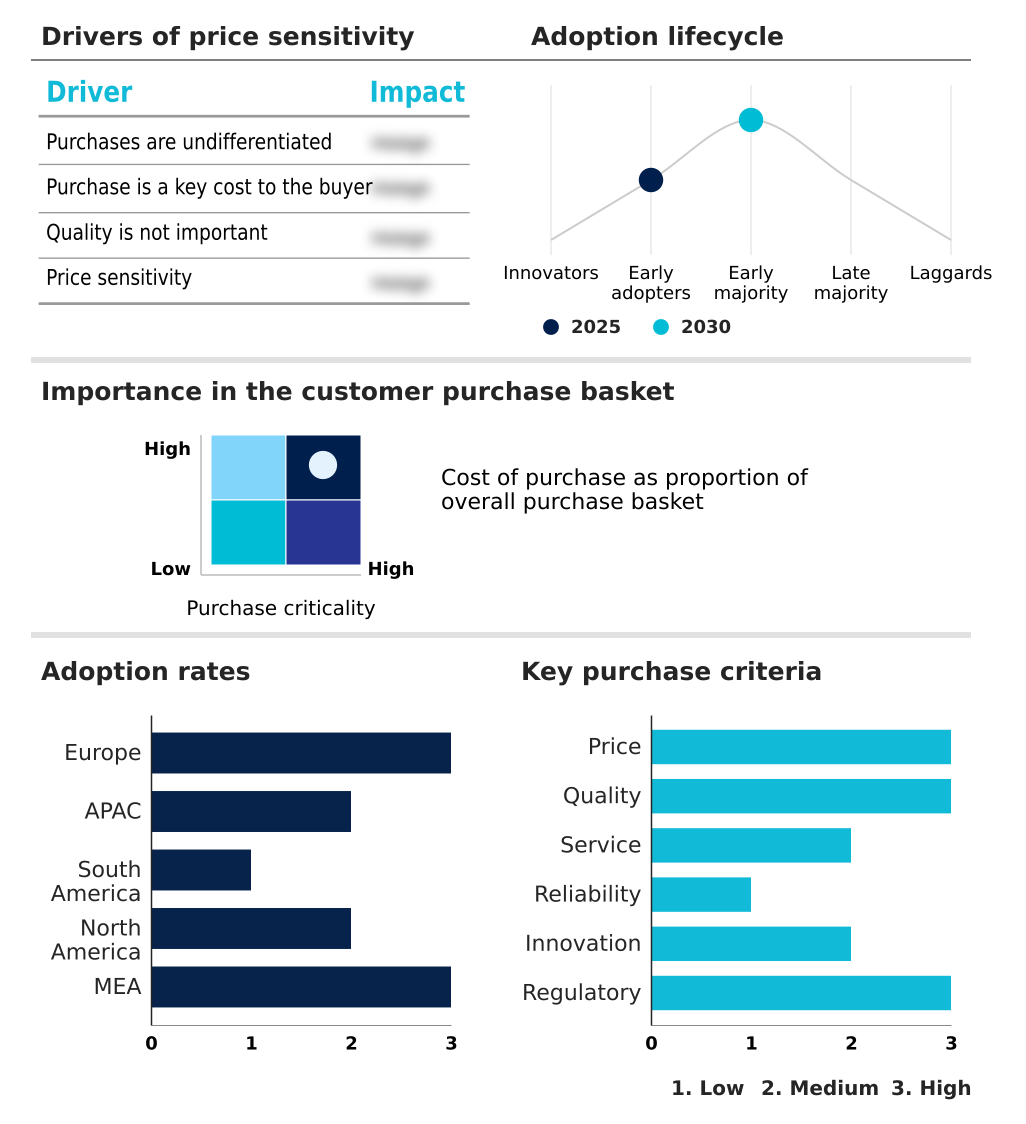
Customer Landscape of Sunflower Industry
Competitive Landscape
Companies are implementing various strategies, such as strategic alliances, sunflower market forecast, partnerships, mergers and acquisitions, geographical expansion, and product/service launches, to enhance their presence in the industry.
Aceites Abril - The enterprise provides a diverse portfolio of edible vegetable oils, specializing in high-quality refined and high-oleic variants designed for commercial and residential culinary applications.
The industry research and growth report includes detailed analyses of the competitive landscape of the market and information about key companies, including:
- Aceites Abril
- Archer Daniels Midland Co.
- Ball Seed
- BIGS Sunflower Seeds
- Bunge Global SA
- Cargill Inc.
- Chinook Seedery
- Corteva Inc.
- Croda International Plc
- EFKO
- Ernst Benary Samenzucht GmbH
- Frito Lay North America
- Groupe Limagrain
- KWS SAAT SE and Co. KGaA
- Lipoid GmbH
- PanAmerican Seed
- Saipol
- Syngenta AG
- W. Atlee Burpee and Co.
- Wilmar International Ltd.
Qualitative and quantitative analysis of companies has been conducted to help clients understand the wider business environment as well as the strengths and weaknesses of key industry players. Data is qualitatively analyzed to categorize companies as pure play, category-focused, industry-focused, and diversified; it is quantitatively analyzed to categorize companies as dominant, leading, strong, tentative, and weak.
Recent Development and News in Sunflower market
- In the Agricultural Products and Services industry, the systemic transition toward traceable grain supply protocols has increased compliance requirements for agricultural commodity exchanges, directly impacting Sunflower Market procurement by requiring rigorous seed certification before processing.
- The widespread adoption of precision planting machinery has optimized crop rotation agronomy, improving field-level resource utilization by 12% and subsequently stabilizing raw material yields for commercial crushing facilities operating within the Sunflower Market.
- Stringent pesticide residue compliance mandates introduced by international regulatory authorities have shifted agricultural input supply chains toward sustainable farming protocols, elevating cultivation costs for Sunflower Market producers while ensuring premium clean-label ingredient sourcing.
- The integration of advanced molecular breeding frameworks has accelerated the deployment of drought-tolerant hybrids, effectively reducing crop failure risks by 18% and ensuring reliable feedstock availability for specialized edible oil refining operations in the Sunflower Market.
Dive into Technavio’s robust research methodology, blending expert interviews, extensive data synthesis, and validated models for unparalleled Sunflower Market insights. See full methodology.
| Market Scope | |
|---|---|
| Page number | 288 |
| Base year | 2025 |
| Historic period | 2020-2024 |
| Forecast period | 2026-2030 |
| Growth momentum & CAGR | Accelerate at a CAGR of 6.6% |
| Market growth 2026-2030 | USD 11099.7 million |
| Market structure | Fragmented |
| YoY growth 2025-2026(%) | 6.0% |
| Key countries | Spain, France, Italy, Germany, The Netherlands, UK, India, China, Japan, Indonesia, Australia, South Korea, Argentina, Brazil, Chile, US, Canada, Mexico, Turkey, Saudi Arabia, South Africa, UAE and Israel |
| Competitive landscape | Leading Companies, Market Positioning of Companies, Competitive Strategies, and Industry Risks |
Research Analyst Overview
- The Sunflower Market exhibits a continuous structural evolution driven by the integration of sophisticated agronomic technologies and advanced refining capabilities. A definitive trend shaping boardroom-level capital allocation is the deployment of high-capacity solvent extraction systems, which directly support rigorous oxidative stability optimization in edible oils.
- Executive decision-makers are prioritizing these infrastructure upgrades to comply with stringent clean-label food manufacturing standards, resulting in a 20% reduction in processing energy consumption. This strategic pivot ensures the precise management of linoleic acid concentration and preserves optimal polyunsaturated lipid profiles for commercial applications.
- Furthermore, industrial operations are expanding into biodiesel feedstock processing and sustainable bio-wax synthesis, converting refining byproducts into high-value commercial assets. Agronomic yield optimization and enhanced plant-based protein recovery mechanisms remain critical for stabilizing raw material procurement and supporting livestock nutrition sectors.
- These interconnected operational advancements allow commercial processors to mitigate supply chain volatility, elevate product quality, and align corporate strategies with demanding agricultural compliance frameworks, ensuring long-term resilience across the manufacturing ecosystem.
What are the Key Data Covered in this Sunflower Market Research and Growth Report?
-
What is the expected growth of the Sunflower Market between 2026 and 2030?
-
USD 11.10 billion, at a CAGR of 6.6%
-
-
What segmentation does the market report cover?
-
The report is segmented by Type (Oilseed, and Non-oilseed), Distribution Channel (Offline, and Online), Application (Edible oil, Snacks, Bakery and confectionery, Animal feed, and Others) and Geography (Europe, APAC, South America, North America, Middle East and Africa)
-
-
Which regions are analyzed in the report?
-
Europe, APAC, South America, North America and Middle East and Africa
-
-
What are the key growth drivers and market challenges?
-
Surging demand for healthy high-oleic oils, Geopolitical trade disruptions and export restrictions
-
-
Who are the major players in the Sunflower Market?
-
Aceites Abril, Archer Daniels Midland Co., Ball Seed, BIGS Sunflower Seeds, Bunge Global SA, Cargill Inc., Chinook Seedery, Corteva Inc., Croda International Plc, EFKO, Ernst Benary Samenzucht GmbH, Frito Lay North America, Groupe Limagrain, KWS SAAT SE and Co. KGaA, Lipoid GmbH, PanAmerican Seed, Saipol, Syngenta AG, W. Atlee Burpee and Co. and Wilmar International Ltd.
-
Market Research Insights
- The Sunflower Market is undergoing significant operational restructuring to accommodate rising industrial demand for stable lipid formulations. Agricultural commodity exchanges are currently processing higher volumes of certified seeds, prompting processors to optimize grain elevator operations. This strategic realignment has reduced raw material handling times by 14%, directly lowering operational overhead.
- Furthermore, enhancements in bulk warehousing logistics have improved supply chain resilience, allowing industrial refiners to decrease reliance on volatile spot-market procurement by 22%. These measurable improvements in inventory management ensure consistent feedstock availability, enabling commercial food manufacturers to maintain strict production schedules and align with rigorous quality compliance mandates across competitive sectors.
We can help! Our analysts can customize this sunflower market research report to meet your requirements.
 RIA -